About Atsikana
Early history
The history of Atsikana is not very long, but it is very interesting and fast-paced. We know for sure that the island was formed on July 10th, 1998 during an incredibly strong sea storm accompanied by the eruption of an underwater volcano. This volcano spewed a huge amount of hot lava up to a height of several tens of meters above the sea level. After falling back into the sea water, the lava solidified quickly and created a completely new land in the middle of the open ocean that was not captured on any maps.
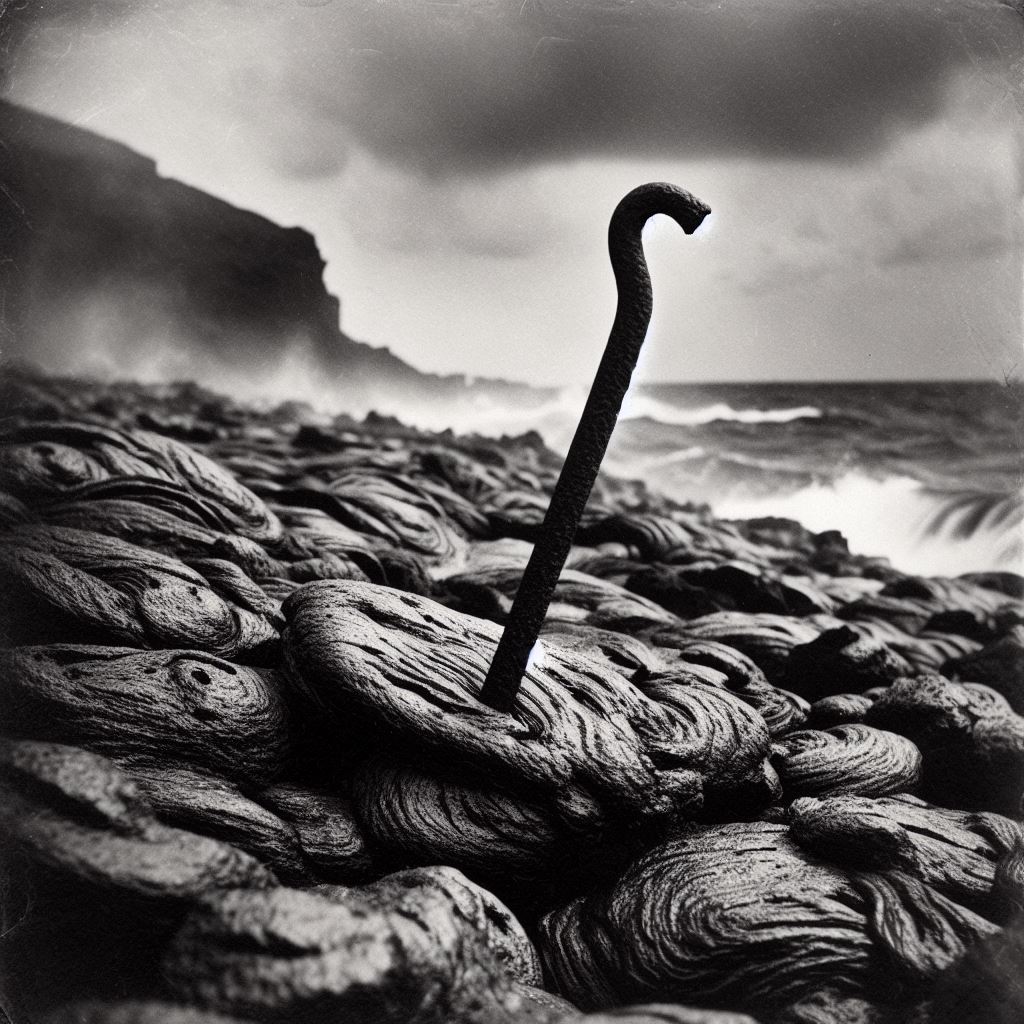
The small private yacht of European real estate trader Peter Hans, who at the time was sailing alone on his annual voyage across the open ocean, also entered the sea storm that day. High waves and strong winds toyed with Peter's ship in the storm, drifting it to the places where the lava from the undersea volcano was forming a new island. Peter then watched the entire breathtaking spectacle, during which the sea water seemed to be on fire after the impact of the red-hot lava ejected by the underwater volcano. At the same time, Peter could see new land forming very close to his ship. After a few hours, when the storm and volcanic activity subsided, Peter found that his ship was only slightly damaged and headed towards the new island. He drove an iron stake into the still-hot lava land, to which he then tied his ship. At this moment, the first iconic and legendary photograph of a new land, a new island was taken.
The word "atsikana" means "girls" in Chichewa language. Chichewa is spoken, among other places, in Mozambique, the African country from where Peter set sail on his journey and where he learned that his wife had given birth to a daughter back home in Europe. So he had two girls at home - his wife and his new born daughter. When the sea storm tossed his ship, he also thought about seeing both of them as soon as possible. And after landing on the newly formed island, rather just for his own pleasure, he called it Atsikana, i.e. girls.
Peter only stayed on the new island for a few hours to rest and fix minor problems with the ship, which miraculously were not serious. The island did not seem welcoming. The surface of the island was nothing but black solid and smelly lava with no signs of any life. Nevertheless, with the help of the basic instruments he had in the ship, Peter determined the exact coordinates of the newly created island so that he could return here someday. He then set sail and in a few weeks was happily reunited with his family - his wife and newborn daughter - his girls, his atsikana.
Second visit to the island
The second time Peter returned to the island was three years later, in 2001. The voyage was calm and pleasant, and Peter headed for the island according to his established coordinates. He was in for a big surprise. Instead of a black dead land formed by solidified lava from an undersea volcano, he found here an amazing island full of life. Flowering trees, tall palm trees and other trees with beautiful flowers or fruits, flying parrots.
At first Peter was convinced that he had sailed to another island or that his notes with the coordinates were wrong. Nevertheless, he docked at the island and set out to explore it. He found out early that they were indeed on his Atsikana. In the middle of the lush tropical vegetation, he found an iron stake that he had driven into the still-warm lava three years ago. Peter spent several days on the island and that's when the first map of the island was created. Peter was fascinated by the life that had sprung up in three years on the initially dead lava land. But since the island had not yet been marked in any of the latest nautical charts, it was obvious that this paradise had been built by nature itself. But the biggest surprise was the discovery of a lake with fantastically clean fresh water. The lake was formed at the highest point of the island. Crystal clear water flowed down two waterfalls and into the northern and southern parts of the island, bringing life there.
Peter decided to explore every corner of his island and at least simply draw everything on his map. As a real estate agent, of course he had a vision of using the island as a magical vacation paradise. But with each day he spent exploring the island, with each subway he walked on the island, he came to believe that this island should only be accessed by people who believe in, enjoy and appreciate the miracle that nature has created here. The idea of creating a wonderful human community on an island, far from ordinary civilization, far from human malice, far from wars, far from everyday worries, began to arise in Peter's head. With each day spent on the island, this idea took on more realistic contours.
Third visit to the island and the beginning of settlement
After returning from his second visit to Atsikana, Peter spent every free moment thinking about when he would return to the island again. At home in Europe, he was kept by his family, whom he loved. At the same time, he dreamed of building an island paradise for his wife and young daughter.
Peter returned to Atsikana Island again in early 2003. Peter later considered this period to be the beginning of the settlement of Atsikana. He arrived on the island alone again, but this time with equipment that would not only make it easier for him to stay on the island for several weeks, but also to establish his first island bases. During his stay, he built a simple bridge with his own hands over the river flowing from the lake to the southern part of the island. Using this bridge, he was able to transport basic building materials - palm tree trunks - to the southeastern beach, where he built a simple house. Thanks to the technical progress of the early 21st century, he equipped this house with a solar power plant for electricity generation and even a satellite Internet connection. Peter planned to actually settle the island at the turn of 2003 and 2004.
The first real inhabitants
In early 2004, Peter arrived on the island with the first future inhabitants of the island. Peter thought for a long time about who he would entrust the secret of the existence of Atsikana and his ideas about this paradise island with. In the end, The choice fell on two friends from his childhood, a now adult woman and a man.
Peter's childhood friend Paul, had a very difficult life, when he lost his entire family in a car accident. Since then, he has been suffering and said that his life has lost meaning. Peter's friend - a woman was seriously ill with a not very good prognosis for recovery. On the island, she took the name Fia (First In Atsikana). She was accompanied to the island by her father Joseph, who loved her immensely and took good care of her throughout her illness. In addition, he was a very skilled craftsman and had known Peter since childhood. Fia, Joseph and Paul were the first real inhabitants of Atsikana since January 2004.
Follow other events on Atsikana Island in the Atsikana Chonicle!